The Real Game of Thrones?
Christmas Carnage at Abergavenny in 1175

Seldom has a building ‘been oftner stain’d with the infamy of treachery’ than Abergavenny Castle. So wrote the acclaimed antiquarian William Camden on visiting the area during the reign of Elizabeth I. Located in the market town of the same name close to the black mountains, Abergavenny Castle was established in the late 1080s by Hamelin de Balun to guard the Usk Valley. Famed as an area of scenic beauty that remains popular with hikers and tourists, it often comes as a surprise that the pleasant town once witnessed an event straight out of a Shakespearean tragedy.
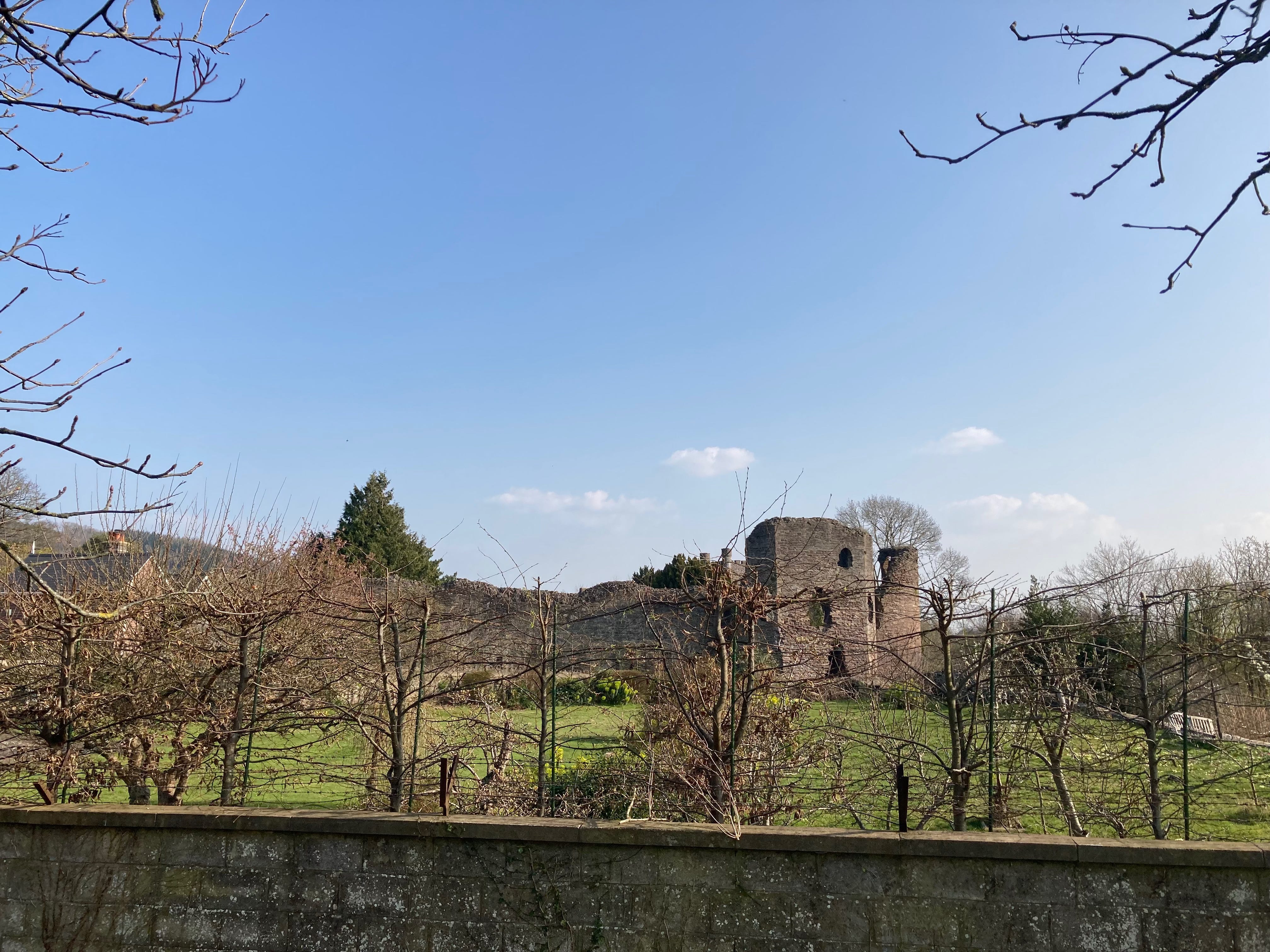
The reasons for Camden’s gloomy commentary undoubtedly concern a gruesome series of events from the 1170s. The bloody tale seemingly began when Henry Fitzmiles, Lord of Abergavenny, was murdered, most likely by Seisyll ap Dyfnwal of Castell Arnallt. On Fitzmiles’s death, the castle passed to his sister Bertha, who became the wife of William de Braose, ancestor of the Marcher lords of the same name. At Christmas 1175, de Braose requested Seisyll come to visit Abergavenny, along with his son, Geoffrey, and many leaders of Gwent, to enjoy the festivities in the guise of a peace offering. As the feast approached peak merriment, William unleashed a long-sought revenge on his father-in-law’s killers and slaughtered his visitors in the great hall. The act of cold-blooded murder and the unlawful land grab that followed forever tainted the family name, culminating in William’s forced retirement from public life. In 1182, Hywel ap Iorwerth, Lord of Caerleon, took his own revenge by ordering the castle’s razing to the ground and taking many of William’s retinue prisoner.
Though the castle was rebuilt in red sandstone in 1190 and was visited by King John in 1215, Abergavenny’s future years proved far less controversial. The Hastings family expanded it in the following centuries, after which Owain Glyndŵr, the last native-born Prince of Wales, sacked the town in the early 1400s. Charles I ordered its slighting to prevent Roundhead occupation during the English Civil War, after which the castle was never again inhabited.
And some say Game of Thrones is fiction!
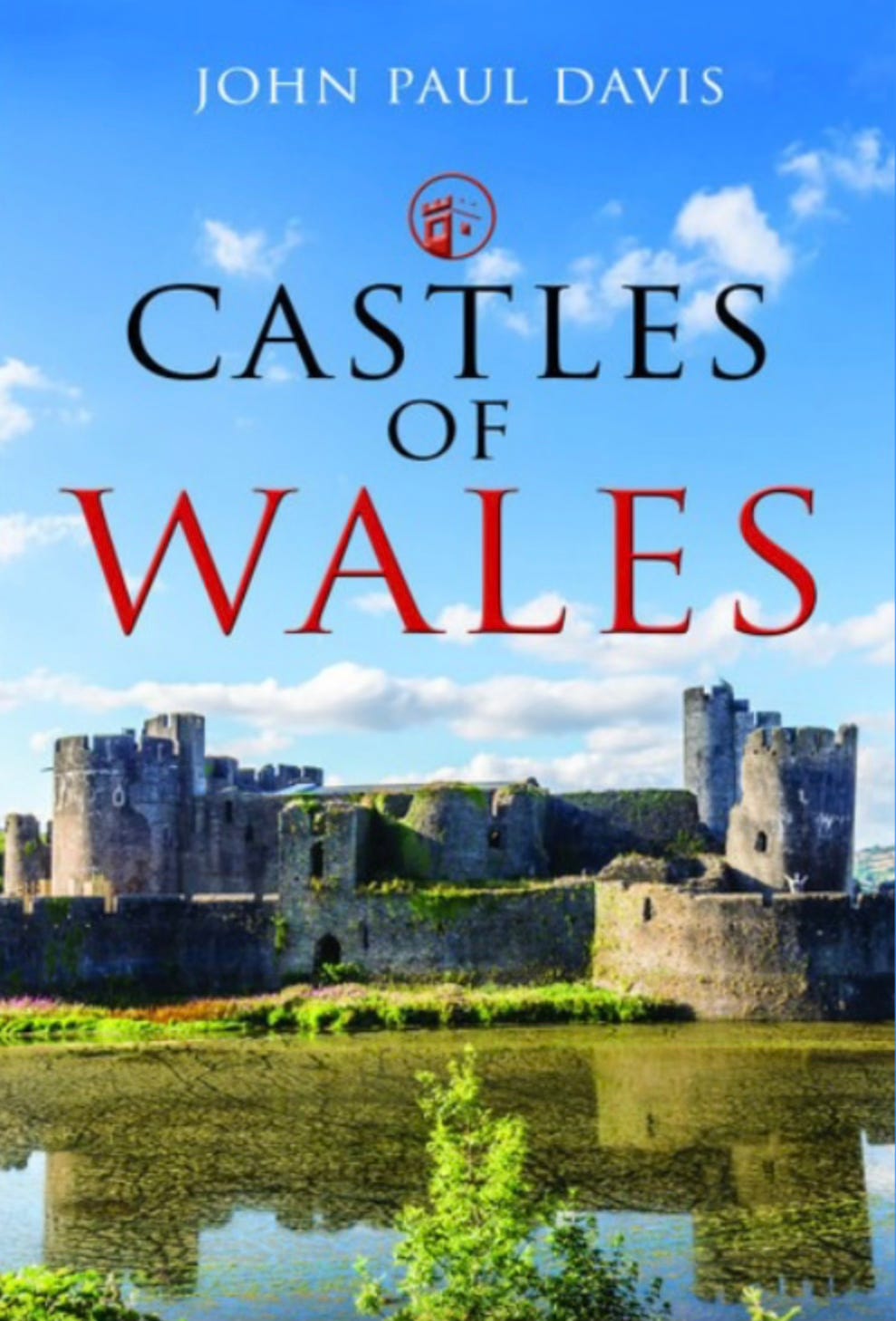
The story of Abergavenny Castle appears in my book, Castles of Wales, published by Pen&Sword History